
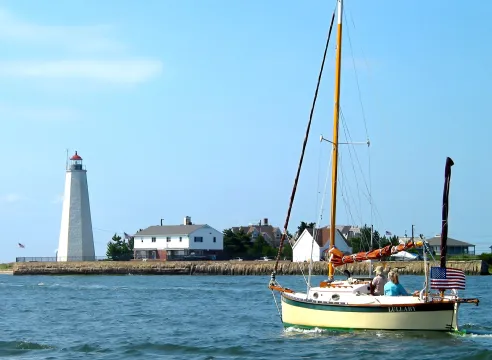
Climate Change Along Connecticut’s Coast
Provided by: PBS|Published on: March 23, 2024|Last updated: July 16, 2026
Grades: 8, 9, 10, 11, 12, AP
Type: Videos
Subjects: Social Studies, Biology, Earth and Space Sciences, Engineering
Authors: PBS
Location: Earth, North America, North America > United States, North America > United States > Connecticut
This resource has been reviewed by SubjectToClimate's climate scientists and verified for scientific accuracy and up-to-date information. Learn about our review process →
This resource has been reviewed by SubjectToClimate's climate scientists and verified for scientific accuracy and up-to-date information. Learn about our review process →
Synopsis
- This PBS video examines a variety of ecosystems and habitats in and around Connecticut's coastline bordering the Long Island Sound, as well as the local neighborhoods most affected by the changing climate and sea level rise.
- Students will learn from experts and decision-makers who teach viewers about the impacts of increased water temperatures, air and sea pollution, storm surges, increased flooding, lack of proper green infrastructure, and the socio-economic discrepancies that hinder climate solutions at the legislative level.
Teaching Materials
Positives
- The presentation is segmented with experts and decision-makers discussing various climate change issues, allowing teachers to easily pause for class discussions, activities, and further research.
- The video ends with a group of students who have chosen a career path in environmental science in an attempt to produce climate solutions for the future, and they project a hopeful tone.
- The video includes a printable transcript for teachers who may wish to have students take notes as they watch.
Additional Prerequisites
- An ad plays before the video begins.
- Teachers should be aware that marine life die-off is one topic of the video, so some students may wish to discuss their emotions about the situation.
- The segment where a gentleman explains that he must fish to feed his family even though the water is polluted may evoke an emotional response in some students.
- The video mentions the harsh fact of socio-economic and racial inequities playing a part in climate change-induced illness more than once, as well as the lack of funding and representation at the decision-making level.
- Students in coastal regions may be affected by a segment with a professor discussing whether coastal living will still be sustainable in their lifetimes.
Differentiation
- A gentleman discusses a childhood memory based on the sea, so English teachers can have students write personal narratives about a memory of water after they watch the video.
- An expert describes the geographic history behind the coastal area, so History or Social Studies teachers can have students watch the video and \ conduct research about the geographic history of their areas.
- An Indigenous expert discusses the history of the Pequot people in the land that became Connecticut, so after viewing, teachers can have students discover the stories of Indigenous people in their region.
- This presentation lends itself to many discussions, written reflections, and further research extension activities since so many different topics are covered.
- Several other educational videos are linked at the bottom of the webpage.
This video shows and explains to viewers how climate change and sea level rise will affect different communities, habitats, and industries in coastal Connecticut. A lot of focus is on the importance and danger of water in the area. The video covers various topics, such as animal and salt marsh conservation, flooding, environmental justice, and climate adaptation. Almost every topic includes an interview with a local who describes the changes they have seen over their lifetime. The scientific information presented is accurate, and this resource is recommended for teaching.
Teaching Tips
Standards
Resource Type and Format
Scientist Reviewed
This resource has been reviewed by SubjectToClimate's climate scientists and verified for scientific accuracy and up-to-date information. Our review process ensures that every resource in our library reflects the current state of climate science.
Learn about our review process →