
Harvesting the Future
Provided by: PBS|Published on: October 9, 2025|Last updated: July 16, 2026
Grades: 6, 7, 8, 9, 10, 11, 12
Type: Videos
Subjects: Biology, Earth and Space Sciences, Engineering
Authors: PBS, NOVA
Location: Earth, North America > United States > Arizona
This resource has been reviewed by SubjectToClimate's climate scientists and verified for scientific accuracy and up-to-date information. Learn about our review process →
This resource has been reviewed by SubjectToClimate's climate scientists and verified for scientific accuracy and up-to-date information. Learn about our review process →
Synopsis
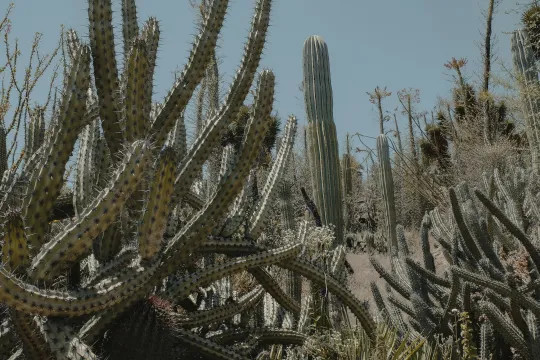
- This 9.5-minute video from NOVA highlights the Ak-Chin Indian Community's dry farming practices for conserving water and growing and harvesting crops in arid environments.
- Students will learn a few techniques used by farmers and gardeners in the Tucson, Arizona area.
Teaching Materials
Positives
- This video is well-done and includes images and B-roll that will keep students engaged.
- Seeing the farmers and gardeners get emotional as they talk about their work at the end of the video is powerful.
Prerequisites
- If students are unfamiliar with climates that experience dry seasons or arid conditions, teachers may want to have students explore climates like this to build background knowledge.
Differentiation & Implementation
- As students watch, they can take notes on the different techniques introduced in the video. Teachers may want to show the video to students twice, allowing for a "close read" in the second viewing.
- To make connections to climate change, teachers can discuss with students the impact climate change will have on precipitation patterns. This activity can help students explore the connection.
- Teachers can make connections to the Sustainable Development Goals by having students explore how Goal 2, Zero Hunger, and Goal 6, Clean Water and Sanitation, are connected.
This resource from PBS NOVA features a short video (~10 minutes) exploring how farmers and scientists are using technology and sustainable practices to grow food more efficiently. Precision agriculture and climate-smart farming are detailed in the video. While it does not include original data, it comes from a trusted source and would be a great addition to a classroom discussion on sustainability in a changing climate.
Teaching Tips
Standards
Resource Type and Format
Scientist Reviewed
This resource has been reviewed by SubjectToClimate's climate scientists and verified for scientific accuracy and up-to-date information. Our review process ensures that every resource in our library reflects the current state of climate science.
Learn about our review process →