

How Agriculture Hastens Species Extinctions
Provided by: 60 Minutes|Published on: April 18, 2025|Last updated: July 16, 2026
Grades: 9, 10, 11, 12, AP
Type: Videos
Subjects: Biology
Authors: 60 Minutes
Location: Earth
This resource has been reviewed by SubjectToClimate's climate scientists and verified for scientific accuracy and up-to-date information. Learn about our review process →
This resource has been reviewed by SubjectToClimate's climate scientists and verified for scientific accuracy and up-to-date information. Learn about our review process →
Synopsis
- This short (6 min) clip from 60 Minutes discusses the sixth mass extinction due to human impacts and climate change.
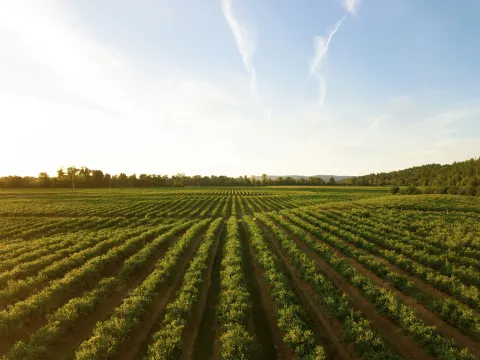
- The video highlights the expansion of agricultural land as a driver of the sixth mass extinction.
Teaching Materials
Positives
- The video features female and Latino scientists.
- The video ends with suggestions for action to be taken and a call for urgent action.
Prerequisites
- Students should have some background in climate science. This lesson can be used to introduce students to climate change.
- It is recommended to turn on subtitles while playing the video.
Differentiation & Implementation
- This video can be used in a biology class, including AP Biology, in a unit on biodiversity.
- In a biology class, use this lesson on how climate change impacts allele frequency to extend the topic in this video.
- In an English class, this video can be used to introduce a lesson about climate-resilient foods.
- This table of solutions can be used to discuss agricultural-based solutions to climate change with your students in more depth.
- This video can be used to discuss food waste in more depth with students.
This resource allows students to learn about how agricultural growth affects biodiversity. Harmful anthropogenic actions are threatening species and reducing the richness of our forests. After passing our science review process, this resource is suggested for teaching.
Teaching Tips
Standards
Resource Type and Format
Scientist Reviewed
This resource has been reviewed by SubjectToClimate's climate scientists and verified for scientific accuracy and up-to-date information. Our review process ensures that every resource in our library reflects the current state of climate science.
Learn about our review process →