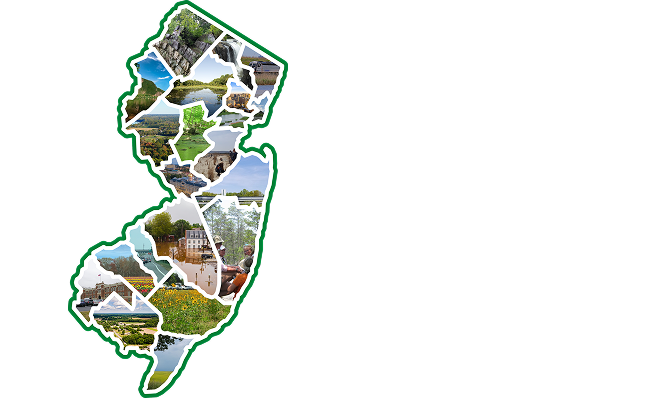

How the Artist Captures Climate Change
Provided by: Connecticut Public Radio|Published on: May 20, 2024|Last updated: July 16, 2026
Grades: 9, 10, 11, 12, AP
Type: Podcasts
Subjects: Visual and Performing Arts
Authors: Connecticut Public Radio
Location: Europe, North America, North America > United States, North America > United States > California, North America > United States > Connecticut, North America > United States > Florida, North America > United States > Maryland, North America > United States > Michigan, Oceania
This resource has been reviewed by SubjectToClimate's climate scientists and verified for scientific accuracy and up-to-date information. Learn about our review process →
This resource has been reviewed by SubjectToClimate's climate scientists and verified for scientific accuracy and up-to-date information. Learn about our review process →
Synopsis
- This podcast features artists and curators of the "Sea Change | See Change" exhibit at the Mattatuck Museum in Waterbury, Connecticut.
- Students will hear about what inspired the artists to create their work and their hope for the exhibit and the environment.
- The artists mention their inspiration from and work in Sweden, French Polynesia, the Florida Keys, Baja, California, Lake Saint Clair in Michigan, the Netherlands, Maryland, Springfield, and Norway.
Teaching Materials
Positives
- Students will benefit from hearing the example of a career path that was not straightforward.
- The podcast includes many messages of hope, which will comfort students who may have climate anxiety.
Additional Prerequisites
- There may be ads before and during the podcast.
- Teachers can activate prior knowledge by asking students about their experiences with the ocean or being inspired by pieces of art.
- Students should know the impacts of human activities in the oceans.
Differentiation
- Students can practice making art to inform or inspire others about climate change.
- Art students can analyze and interpret the six images included in the resource.
- Language arts students can read climate change poetry, such as Amanda Gorman's poem in the lesson “Pale Blue Dot, We Will Fail You Not”: A Poetry Lesson.
- Math students can interpret graphs and data included in other climate change art, such as Jill Pelto's "Habitat Degradation: Ocean Acidification."
This Connecticut Public Radio / WNPR resource provides a 48-minute episode of the Where We Live series that covers how artists have used their media to illustrate and reach the public about climate change issues. The resource provides additional links to credible news sources, university projects, additional WNPR episodes, and additional art examples. The hosts and guests are knowledgeable in their respective fields. This resource can enhance a classroom discussion about ways to reach and educate the general public about climate change.
Teaching Tips
Standards
Resource Type and Format
Scientist Reviewed
This resource has been reviewed by SubjectToClimate's climate scientists and verified for scientific accuracy and up-to-date information. Our review process ensures that every resource in our library reflects the current state of climate science.
Learn about our review process →