
Sun to Socket
Provided by: Cool.org|Published on: September 13, 2026|Last updated: September 16, 2026
Grades: 5, 6, 7, 8
Type: Lesson Plans
Subjects: Earth and Space Sciences
Authors: Cool.org
Location: Earth, Oceania
This resource has been reviewed by SubjectToClimate's climate scientists and verified for scientific accuracy and up-to-date information. Learn about our review process →
This resource has been reviewed by SubjectToClimate's climate scientists and verified for scientific accuracy and up-to-date information. Learn about our review process →
Synopsis
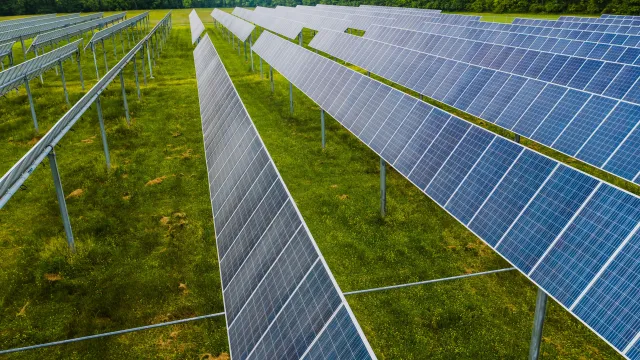
- In this lesson, students explore solar power as a form of renewable energy, tracing how sunlight becomes usable electricity.
- Students hear from an expert, investigate how the amount of light affects solar energy production, and create a poster or presentation communicating the benefits of solar power for their community.
- The lesson runs about sixty minutes, though more time may be required for the poster-making activity.
- Although some of the information is specific to Australia, teachers worldwide can implement this lesson.
Teaching Materials
Preparation:
- A free Cool.org account and login are required to access the full lesson materials.
Materials:
- For the activity, teachers will need to gather:
- Solar-powered objects, such as small toys or calculators
- Materials with varying levels of transparency, such as clear and coloured cellophane, tissue paper, white paper, and cardboard.
Sustainable Development Goals Connections:
- Connect this lesson to SDG 7, Affordable and Clean Energy, by examining how solar power provides clean electricity to communities.
Scientist's Note:
- In addition to learning about how solar power works, students will learn about different jobs in the solar industry.
Teaching Tips
Standards
Resource Type and Format
Scientist Reviewed
This resource has been reviewed by SubjectToClimate's climate scientists and verified for scientific accuracy and up-to-date information. Our review process ensures that every resource in our library reflects the current state of climate science.
Learn about our review process →