The Arctic: Narrative Writing Lesson
Lesson Plan
1 hour 50 minutesGrades6, 7, 8English Language Arts
This resource has been reviewed by SubjectToClimate's climate scientists and verified for scientific accuracy and up-to-date information. Learn about our review process →
Written by Jennifer Williams, Elizabeth Ward
About this lesson
In this lesson, students learn some of the impacts climate change is having on the Arctic, hear youth perspectives about the impacts of climate change, and write their own personal climate stories.
Step 1 - Inquire: Students do a gallery walk of infographics about climate change impacts on the Arctic and brainstorm how climate change might affect the people who live there.
Step 2 - Investigate: Students watch a video of an Alaskan youth sharing the impacts of climate on his community, write down key words or phrases that stand out as they watch, and brainstorm a list of components that can be included in a climate story.
Step 3 - Inspire: Students write their own personal climate stories, revise their stories, share their climate stories in small groups, and discuss the differences between their personal climate stories and Nelson’s climate story as a class.
Preview the lesson plan
Better on a bigger screen? Open it in its own tab.View Lesson Plan
Everything you need to teach it
How to edit these materials (video)Teaching tips
Positives
- This lesson can be used in any middle school writing class and tailored to the specific skills the class is working on.
- This lesson helps students connect climate change to people.
- This lesson highlights a local community in the Arctic and demonstrates the impact storytelling can have.
- This lesson encourages students to participate in the writing process, including the planning and publishing stages.
- This lesson allows teachers to integrate skills specific to their students.
Additional Prerequisites
- The Inquire section gallery walk is about the student-made infographics from the previous lesson. Alternatively, teachers can use the infographics from the Teacher Slideshow.
- Students should understand the basics of writing a story. This includes, but is not limited to, characters, setting, rising action, climax, falling action, and resolution.
- When teaching this lesson teachers should have a baseline understanding of how climate change works and understand some of the impacts in the Arctic.
- In this lesson the term, “story” is consistently used, despite one of the primary standards referring to the term, “narrative.” If students ask to clarify the difference, one way a middle school ELA teacher can differentiate personal narratives from stories is that a personal narrative is a true story whereas a story can be fictionalized.
- For their writing, students will need a basic understanding of the ways climate change is affecting their own communities.
Differentiation
- The final draft of the writing can be used as a summative assessment for this lesson.
- It may be helpful to share a map and show where the Arctic is located if students are unfamiliar.
- Students may need more specific and individual guidance when planning out their writing. Rubrics can be customized for individual students and their learning goals.
- Teachers can give students more time for writing the personal climate story.
From the scientist review
Students are instructed in this lesson on the effects of climate change on the Arctic region. Temperature increases are hastening the melting of permafrost, glaciers, and sea level rise. This has an effect on the polar ecosystems and human populations. The contrast between how climate change affects the northern and southern regions of the Arctic is also covered in the lesson, along with suggestions for how students may learn and share their experiences to promote climate action. This lesson passed our science review process after all the materials were fact-checked.
Want this to fit your class?
Add your location for local examples, questions, and action ideas.
About the teacher writers
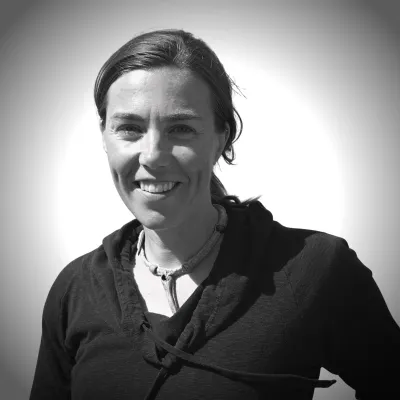
Jennifer Williams
Teacher
I am a certified teacher with a Master's in Environmental Education and am passionate about connecting youth to nature. I spent the majority of the last decade working for ship-based programs. First, I worked for Class Afloat, teaching for a Canadian high school situated on a tall ship. That experience was followed by Students on Ice, leading youth expeditions to the Arctic focusing on environmental and social programming. I am now based full-time in Ottawa, Canada substitute teaching coupled with other values-based projects supporting youth. When I'm not working you can find me out on the Ottawa River or in Gatineau Park hiking or cross-country skiing, making soap, or continuing to challenge myself in the quest to live a single-use plastic-free lifestyle.

Elizabeth Ward
Elizabeth Ward, B.S., is SubjectToClimate's Chief Product Officer. She has more than 12 years of teaching experience across 3rd-grade science and social studies, Kindergarten, and online EFL, and holds a Bachelor of Science in Elementary Education with an Early Childhood Endorsement. She has spent 8 years in the education sector, spanning curriculum development and ed tech. Outside of work, she loves exploring the natural beauty of her home state of Texas.