

Food Origins: Science Lesson
Lesson Plan
1 hour 30 minutesGradesK, 1, 2Biology
This resource has been reviewed by SubjectToClimate's climate scientists and verified for scientific accuracy and up-to-date information. Learn about our review process →
Written by Dena James
About this lesson
In this lesson, students learn where food comes from and the importance of taking care of natural resources.
Step 1 - Inquire: Students draw pictures of the foods they eat with their families and learn about where food comes from.
Step 2 - Investigate: Students discover which natural resources are needed to produce fruits, vegetables, and grains and how to be good stewards of natural resources.
Step 3 - Inspire: Students make posters to show how food and natural resources are connected and explain how to protect natural resources in order to keep the food healthy.
Preview the lesson plan
Better on a bigger screen? Open it in its own tab.View Lesson Plan
Everything you need to teach it
How to edit these materials (video)Teaching tips
Positives
- This lesson is a great way for students to understand and appreciate the care that goes into growing food.
- Students will get to share their families' food traditions with others.
- Students will feel empowered to help protect natural resources.
- Students will share their new knowledge with others.
Additional Prerequisites
- You will need a fruit or vegetable for the beginning of the Inquire section.
- You will need to acquire a copy of Right This Very Minute by Lisl Detlefsen before class begins. You can check your local or school library for a copy of the book.
- You will need to enter an email address to access the PDF lesson plan of Who Polluted the River? the first time you use the Population Education website.
- You will need the following materials for the Who Polluted the River? activity:
- Clear gallon jar or bowl of water
- Small lidded containers
- Printed container labels (printable templates included)
- Printed character name tags (printable templates included)
- Slotted spoon
- Plastic toy fish
- Dry leaves
- Soil
- Baking soda
- Shreds of paper
- Fishing line or dental floss
- Instant coffee
- Water
- Vegetable oil
- Dishwashing soap
- Red and green food coloring
Differentiation
- You can break this lesson up and teach Inquire, Investigate, and Inspire on three separate days.
- The Student Document is provided in four levels.
- Fluent writers can write one or more paragraphs to accompany their informative piece.
- You can go over the Vocabulary Cards at the beginning of the lesson or print the Vocabulary Cards and make a word wall to reference throughout the lesson.
From the scientist review
Soil, air, light, water, and other natural components aid plant growth. When they are perturbed or polluted, it influences plant growth and makes food unhealthy for human and animal consumption. This lesson underscores the correlation between natural resources and food production. It shows students what is required for agricultural production and how they can locate food sources in their local environment. The lesson also provides basic understanding on how the natural resources could be protected from harmful human activities. The materials embedded in the lesson were fact-checked, and this lesson has passed our credibility review process.
Want this to fit your class?
Add your location for local examples, questions, and action ideas.
About the teacher writer
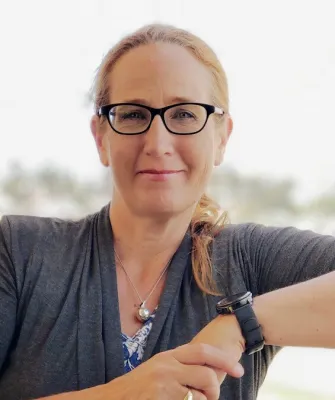
Dena James
Dena has been working in education for over 25 years as a teacher, college instructor, librarian, and in early childhood. Her education and passions have always been tied to the multiple narratives of history and cultures in our country and around the world. She strives to have a strong voice for equity and systemic change in education and teaching. Dena completed her PhD in Educational Leadership while raising her 4 multi-racial children on her own and while serving as a guest teacher in K-12, a special education teacher, a Kindergarten teacher, and a 2nd grade teacher. Her current school district is in Eugene, and she has also taught and worked in Portland, Oregon and South Bend, Indiana. Her interests include backpacking, hiking, water activities, cooking, home DIY projects, traveling, making new friends, and learning outdoor and crafting skills.
Dena has facilitated the Planting the Seeds for Equity K-2 book study.
Biography from: https://grow.oregoned.org/facilitators/dena-james

